
The real shift is not a single model but a repeatable workflow that teams can trust daily.
What changed
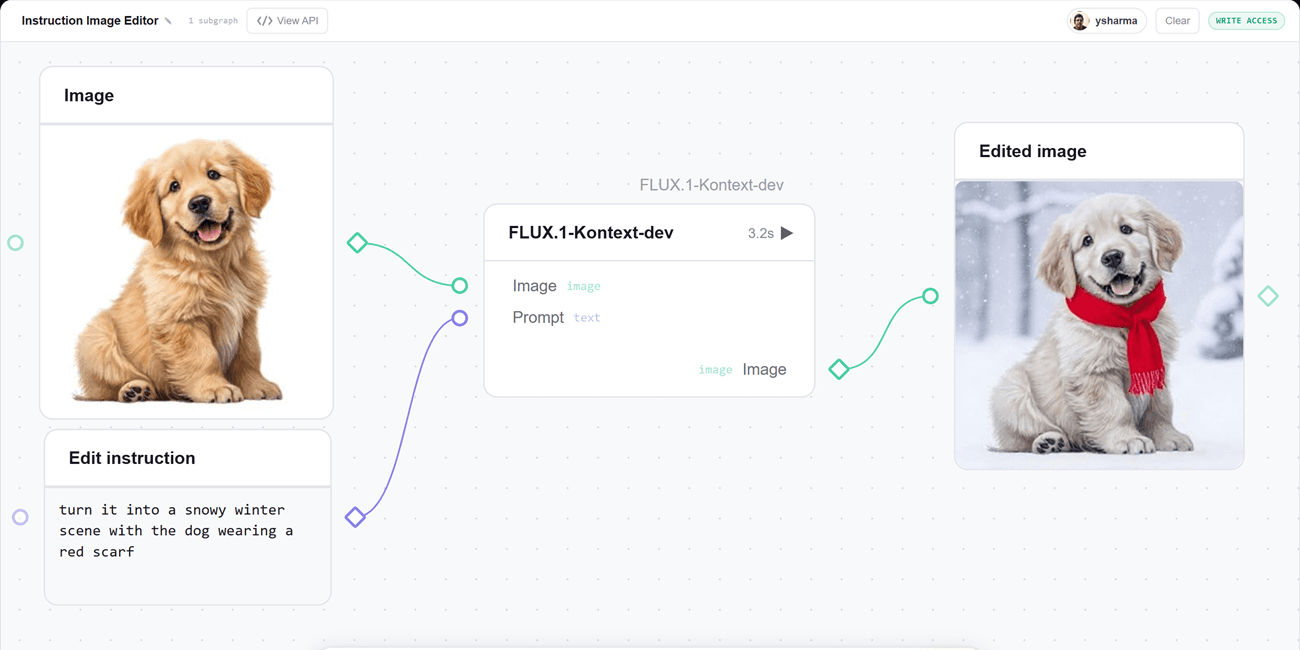
The trend is toward end to end AI workflows that connect data sources, model experiments, and deployment in a controlled loop.
This setup supports rapid testing and governance by capturing decisions and by versioning components across the cycle.
Why it matters for UK SME operations
For UK SMEs the payoff comes through smoother operations shorter cycle times and clearer signals for ROI.
Adoption is more practical when teams map AI touchpoints to core customer workflows and align with existing processes.
Where teams usually get this wrong
Teams often treat AI as a one off project rather than a shared capability that runs through multiple processes.
A common miss is skipping data governance and risk monitoring which creates hidden costs and friction later.
What to do in the next two weeks
Begin with a simple map of the current workflow and identify where AI can insert value.
Clarify data owners and set guardrails for access and privacy before any testing.
Define in plain terms what success looks like and establish a baseline for comparison.
- Prepare a one page process map showing data flow and AI touchpoints
- Identify data access owners and document privacy controls
- Set clear success metrics and a baseline performance
- Run a small pilot on a low risk operation to measure impact
- Align with compliance and risk governance processes
- Plan integration points with it and ops teams
- Develop a simple ROI model with expected benefits
Hard rule Do not deploy a model without an approved data governance plan and a tested rollback path
This approach keeps the focus on practical outcomes for the business teams and builds a repeatable pattern that scales.